comparing indoor and outdoor mats for perfect cartwheels
Cartwheels are an essential skill in gymnastics, cheerleading, and various dance forms. Achieving that flawless execution relies heavily on the surface you practice on. In 2026, the options for mats have greatly evolved, and choosing between indoor and outdoor mats is crucial for mastering your cartwheel technique. This article delves into the specifics of each type of mat, helping you make an informed decision.
Indoor Mats: Designed for Performance
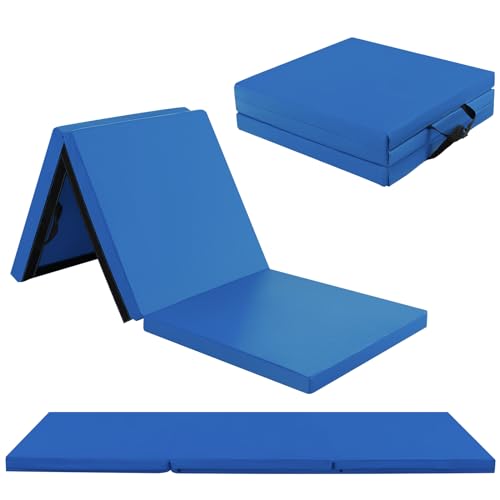
Indoor mats are typically thicker and offer more cushioning, making them ideal for practicing cartwheels. They are often made from foam with a durable outer layer that can withstand repeated impacts. One popular choice is the foam landing mat, which can be found in various thicknesses, usually ranging from 2 to 4 inches. This thickness provides ample support for your wrists and back during practice.
When selecting an indoor mat, consider the size. A standard gym mat measures about 4 feet by 8 feet, which is adequate for a cartwheel. However, if you have the space, a larger mat can provide extra safety and a greater margin for error. The surface texture is also essential; mats with a non-slip finish can help prevent accidents, especially when your hands touch the mat during the cartwheel.
Outdoor Mats: Durability Meets Portability
Outdoor mats, on the other hand, are designed to withstand the elements. They are generally more robust than indoor mats, made with water-resistant materials that can handle grass, sand, and even concrete surfaces. These mats are often thinner, typically around 1 to 2 inches, as they are meant to be used on softer ground or in less forgiving environments.
People Also Look For:
- Dripex Folding Gymnastics Exercise Mat - 6FT/8FT Home Gym Mats with Carry Strap 5cm(2’’) Thick Foam Nonslip Soft PU ...
- Shuffle Up Gymnastics Games - Family Games with 70+ Fun Fitness Workout Cards, Gymnastics Equipment for Kids, Gymnastics Gifts for...
- SportBob Gymnastics Beam 8ft High and Low Floor Balance Beam with 5 heights Adjustable, Gymnastics Balance Beam for Kids Children ...
- TINY TUMBLERS Gymnastics bar for kids - A great piece of gymnastic equipment for home use for a range of ages - Rings and hand gri...
- Tri-Fold Exercise Mat, 6ft x 2ft x 2in PU Foam Gymnastics Mat, Non-Slip, Waterproof & Oil-Proof Yoga Pad, Portable Folding Gym Flo...
One of the significant advantages of outdoor mats is their portability. Many of these mats are designed to be lightweight and easy to transport, making them perfect for practice in parks or backyards. However, the thinner profile means less cushioning, which could affect your comfort level during practice. A common recommendation for outdoor mats is to pair them with a soft surface, like grass, to enhance cushioning and support.
Comparing Safety Features
Safety is paramount when it comes to practicing cartwheels. While indoor mats offer greater cushioning and support, outdoor mats can provide a more stable surface if you are practising on uneven ground. For instance, if you are training on grass, a thicker outdoor mat can help prevent sinking, offering better grip and stability.
It is also essential to consider the risk of injury. Indoor mats are designed to absorb impact effectively, reducing the likelihood of wrist and ankle injuries. On the other hand, outdoor mats may require a few extra precautions. If you are practising on hard surfaces, ensure to use a high-quality mat that provides adequate shock absorption.
Cost and Maintenance Considerations
In general, indoor mats tend to be more expensive due to their specialised materials and construction. Prices can range significantly based on thickness and size, with high-quality mats costing upwards of £150. Meanwhile, outdoor mats are usually more affordable, often starting around £50, but keep in mind the trade-off in cushioning and protection.
Maintenance is another factor to consider. Indoor mats require regular cleaning to prevent dust and dirt buildup, while outdoor mats might demand a bit more care due to exposure to weather conditions. Ensuring your mats are dry and free of debris is crucial for maintaining safety and performance.
Final Thoughts on Choosing the Right Mat
Your choice of mat will ultimately depend on your specific needs, the environment where you practice, and your skill level. Whether indoors or outdoors, the right mat can significantly enhance your cartwheel practice, allowing you to improve your technique with confidence. Always opt for quality, and invest in a mat that meets your requirements for safety and performance.